[Photography Tips] Framing the World: How Composition Tells a Story

Photography isn’t just about capturing what’s in front of you — it’s about choosing how to show it. That’s where composition comes in. Composition is the art of arranging elements in your frame to guide the viewer’s eye and tell a story.

💡 The Basics of Composition

Good composition isn’t random — it’s deliberate. Some classic tools include:

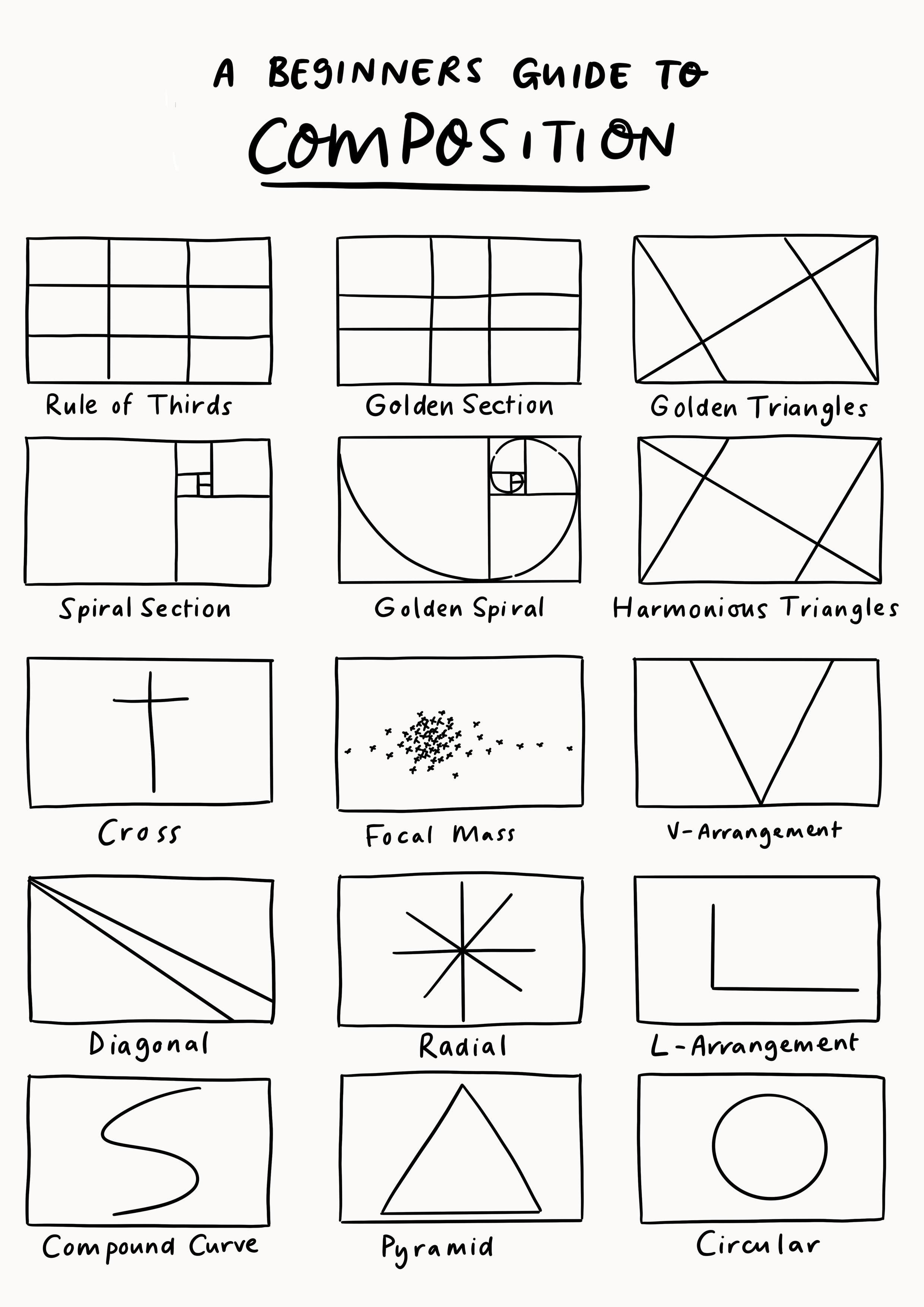
  • Rule of Thirds: Divide your frame into nine parts. Place important elements along the lines or intersections to create balance.

  • Leading Lines: Roads, bridges, or fences that draw the eye toward the subject.

  • Symmetry: Creates harmony and elegance.

  • Negative Space: Empty areas that give the subject room to breathe and stand out.

🎨 Why Composition Matters

Composition decides what your viewers notice first, what they explore next, and what they remember. Two photos of the same scene can tell completely different stories depending on how you frame it.

For example, a street scene shot straight-on might feel flat and ordinary. Shoot it with a leading line toward a person in the distance, and suddenly it feels cinematic and full of movement.

🧠 Breaking the Rules

While these guidelines are helpful, the best photographers know when to break them. Unconventional framing can create tension, surprise, or a fresh perspective — as long as it serves the story.

The Takeaway

Composition is your invisible storyteller. By arranging elements thoughtfully, you guide emotions, highlight what matters, and make every shot intentional.

Next time you raise your camera, ask:

“How do I want the viewer to move through this image?”

The answer will change everything.
[Design Tools] The 80/20 Rule

🎯 The 80/20 Rule: Designing What Really Matters

In design, not everything you create has the same impact. Some parts of your work matter way more than others — and that’s where the 80/20 rule comes in.

💡 What It Means

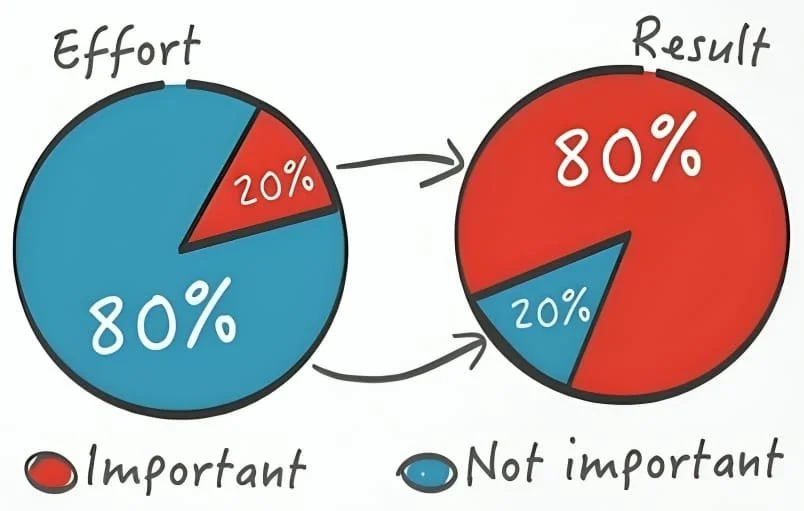
The 80/20 rule, also known as the Pareto Principle, says that 80% of results come from 20% of effort. In design, this means that a small portion of your features, visuals, or interactions often deliver most of the value to users.

In short: focus on the few things that make the biggest difference.

🎨 How It Applies to Design

Think about a website — maybe 20% of the pages (like the homepage, product page, and checkout) get 80% of the traffic. Or maybe 20% of a mobile app’s features are used 80% of the time.

By identifying and improving that key 20%, you make the biggest impact without wasting time on the parts that barely matter.

⚖️ Why It Matters

Designers have limited time, resources, and attention. When you spread effort evenly across everything, you risk spending too much energy on the small stuff. The 80/20 rule helps you prioritize — so you can deliver maximum value with minimal waste.

It’s not about doing less work; it’s about doing the right work.

🧭 The Takeaway

Great design isn’t about perfection — it’s about focus.

When you find and polish the 20% that truly matters, the rest naturally falls into place.

So the next time you’re designing, ask yourself:

“What few things will make the biggest difference for the user?”

If you can answer that, you’re already designing smarter.

[Photography Tips] Telling Stories Without Words: The Emotional Side of Portrait Photography

A great portrait is more than just a face in a frame — it’s a story, a mood, an emotion captured in a single moment. Portrait photography is all about connection, even without a single word being spoken.

💡 What It Means

Emotions are the heart of portraits. The way someone looks, stands, or even pauses can communicate happiness, vulnerability, strength, or mystery. As a photographer, your job is to capture those subtle cues and turn them into a visual story.

🎨 How to Capture Emotion

  • Eyes Speak First: A glance can convey curiosity, sadness, joy, or intensity. Focus on the eyes; they are the windows to the story.

  • Body Language Matters: Posture, gestures, and small movements add context and personality.

  • Environment Tells Part of the Story: Background, lighting, and props can enhance the mood without distracting from the subject.

  • Timing is Everything: Sometimes the most powerful moments are fleeting — a laugh, a thoughtful pause, or a glance away from the camera.

🧠 Creative Tips

  1. Encourage your subject to move naturally rather than pose rigidly.

  2. Use soft, directional light to highlight features and create depth.

  3. Try shooting candidly, capturing unguarded moments that reveal character.

The Takeaway

Portraits aren’t just pictures — they’re emotional snapshots. Every detail — from expression to posture to lighting — contributes to the story. By paying attention to these elements, you can create portraits that speak louder than words.

Next time you pick up your camera, remember: it’s not just about what you see, it’s about what you feel — and how you can make others feel it too.

BlackCruz Magazine Feature

Ducky and Jasmine were feature in BlackCruz Magazine Vol. 101

Fun experience and I look forward to more like it. This came to me via Instagram and was a great shoot with the super talented Jasmine.

"Slow is Pro, Pat!"


Slow Down, You’re Missing the Good Stuff


Let’s be honest—most of us live life like we’re in a never-ending episode of Fast & Furious. We’re racing from one task to the next, double-fisting iced coffee, scrolling through three apps at once, and wondering why our brains feel like dial-up internet. (Yes, Gen Z, ask your parents about dial-up.)


But here’s the kicker: while we’re sprinting toward “what’s next,” we’re bulldozing right past the good stuff—the now. And the now is actually kind of cool… if you stop long enough to notice it.


Think about it. When was the last time you actually tasted your food instead of inhaling it like you were training for an Olympic event called Competitive Fork-to-Mouth? When did you last celebrate something small, like finally remembering your Netflix password on the first try? (That’s basically a national holiday, let’s be real.)


Slow is Pro, Pat!
— Kawhi Leonard

Taking your time doesn’t mean slacking off—it means realizing life isn’t just about big milestones. Sure, weddings, promotions, and beach vacations are great, but so is a Tuesday afternoon when you get the perfect parking spot. Or when your partner brings you fries “just because.” That’s romance. That’s life. That’s now.


Celebrating the present is like giving yourself permission to enjoy the free samples at Costco. It doesn’t cost anything, it’s satisfying, and you’ll probably want more of it. The truth is, the “now” is all we’re ever guaranteed. Tomorrow might bring new goals, new stresses, or worse… new group chats.


So here’s your assignment: slow down. Sip your coffee while it’s still hot. Take a victory lap for folding your laundry before it becomes a second dresser. Laugh at your own jokes. And dance in the kitchen—even if your rhythm is so bad your neighbors call the cops.


Because life isn’t waiting for you at the finish line—it’s happening right now, in all its messy, hilarious glory.